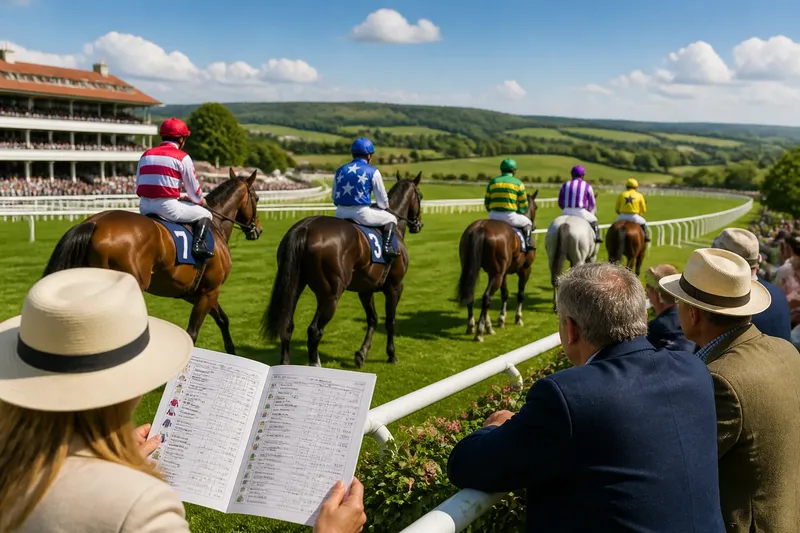
Your First Afternoon at a Race Meeting
Plan your first afternoon at a race meeting around a comfortable base, clear arrival choices, and time to watch the crowd and course without rushing.
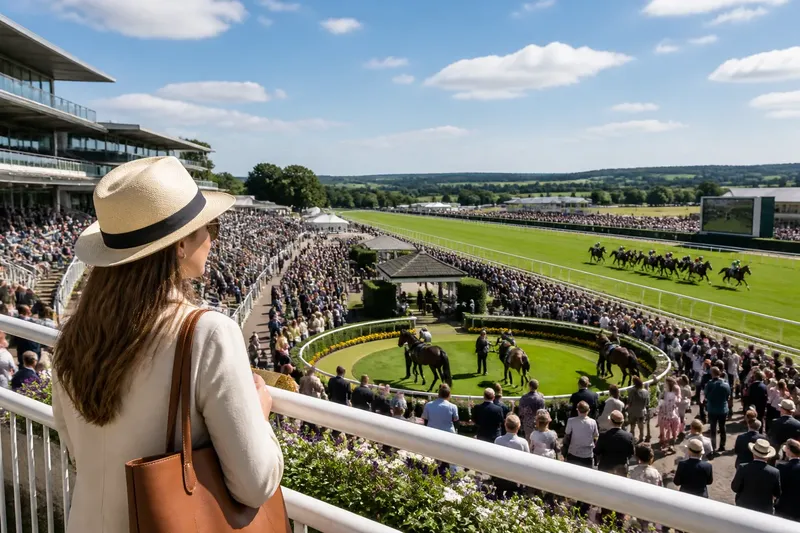
You step through the entrance at a race meeting and hear the crowd gather near the rail while others head toward the grandstand. Your first afternoon at a race meeting can feel easier if you choose a comfortable base, then decide how much of the venue you want to explore.
There is no single correct way to spend the day. You can watch from one place, move between a few areas, or spend time noticing how the course and its visitors change as a race approaches.
Start with the parts of the venue you want to experience
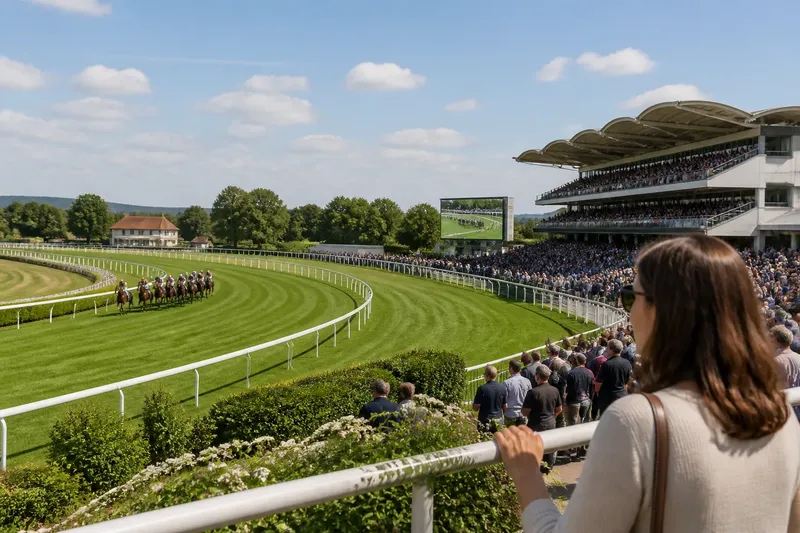
Racecourses often bring together several distinct spaces. The grandstand may offer seating and a raised view; a trackside area puts you closer to the passing field; and the parade ring gives you a chance to see horses before a race. The layout and public access differ by venue, so check the course’s visitor information before choosing a route.
Think about what kind of attention feels enjoyable. A close trackside view emphasizes the movement and sound of the field as it passes, while a higher vantage point can make it easier to follow more of the course at once. Neither view shows everything, and you can change your mind during a break.
A central, accessible area can serve as a useful base while you learn how the venue fits together. Check where the entrances, restrooms, refreshments, and seating are in relation to that spot. If an area feels crowded or uncomfortable, move when there is room to do so rather than committing to it for the whole afternoon.
Make arrival and comfort part of the plan
Before leaving home, check the venue’s entry arrangements, ticket access, and rules about bags or items you may bring. Wear shoes suited to walking and standing, and choose clothing for the forecast. If you want to sit, confirm which areas are open to you rather than assuming every seat is available to every visitor.
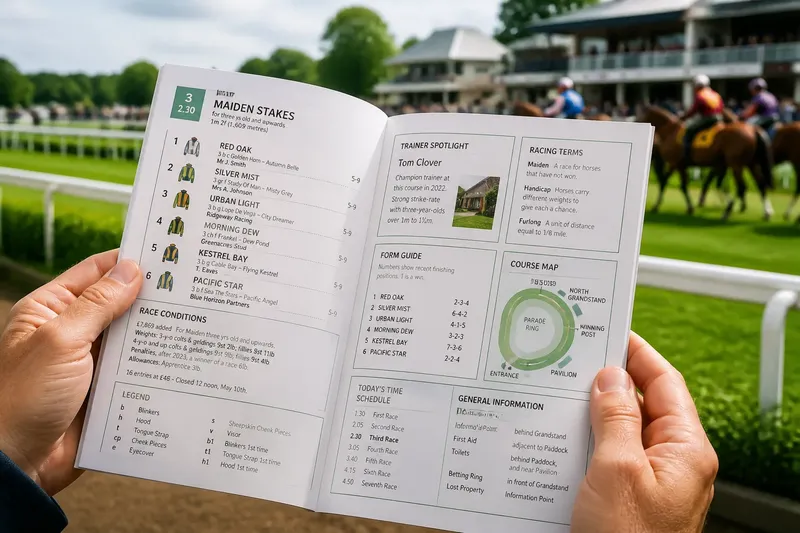
Keep the first part of the visit simple. Find a map or ask a staff member for directions, locate the facilities you expect to use, and choose a place where you can pause. You do not need to memorize the full layout before watching a race.
- If the entrance is unfamiliar, check the venue map or ask staff where public areas begin; then head to a clearly marked central point instead of wandering through restricted spaces.
- If your preferred viewing area requires a long walk, check whether there is a closer alternative; then use the nearer spot if the extra distance would make the visit tiring.
- If you expect to sit, verify that seating is open to your ticket; if it is not, choose an accessible standing area or ask the venue about permitted alternatives.
- If the weather may change, check the forecast and venue rules for useful clothing or permitted items; then bring only what those conditions and rules call for.
- If a crowd blocks your view, look for an open public area or a screen; then move if the alternative offers a clearer and more comfortable way to follow the race.
- If someone in your group needs a particular access arrangement, consult the venue’s accessibility information; then contact the course directly if the published details do not answer the practical question.
It is not worth trying to visit every public area or finding a supposedly perfect viewing point. A small change of scenery can be interesting, but repeated long walks for slightly different views can take attention away from the afternoon itself.
Notice how the venue changes around a race
Much of a meeting’s character appears in the pauses between races. People gather near the parade ring, staff prepare public areas, and visitors choose where to watch next. You can observe these shifts without needing to know every racing term or follow every event closely.
Say you arrive with a printed map, find an accessible spot near the grandstand, and watch one race from there. During a break, you check the map, walk to a public viewing area by the parade ring, and spend time observing the pre-race activity; the expected result is a visit that combines a dependable base with one new perspective, without requiring a tour of the entire course.
Small details can make the experience feel more personal: how the crowd’s attention gathers before the start, where families settle, or which parts of the venue become quieter between races. Let curiosity guide one or two detours, and keep the rest optional.
How should you choose where and how to spend the afternoon?
Is the grandstand or trackside better for a first visit?
The grandstand may suit you if you want seating or a broader view, while trackside can bring you closer to the field as it passes. Check the public-access rules and choose the area that best matches your comfort and interest.
What should you do if the venue feels confusing?
Pause at a public information point, consult a map, or ask a staff member for directions. Focus on finding one useful landmark and the facilities you need rather than learning every route at once.
Do you need to move around to enjoy the meeting?
No. Staying in one comfortable place can let you take in the crowd and the action without rushing. Move only if another area offers something you genuinely want to see or makes the visit more comfortable.
What is a simple way to plan a first visit?
Choose a base, identify the facilities you expect to use, and pick one additional area you might like to visit. This leaves room for discovery while keeping the day manageable.
Let the visit follow your own pace
Your first afternoon at a race meeting does not have to cover the whole course to feel worthwhile. Decide whether you would rather settle in or explore a little, then adjust if the crowd, weather, or layout changes what feels comfortable.
As you leave, notice which area you enjoyed most and what made it work for you: the view, the seating, the atmosphere, or the ease of getting around. That observation gives you a useful starting point for a future visit, without turning this one into a checklist of places you failed to reach.